The San Diego Zine Festival: Where Dreams Meet Paper
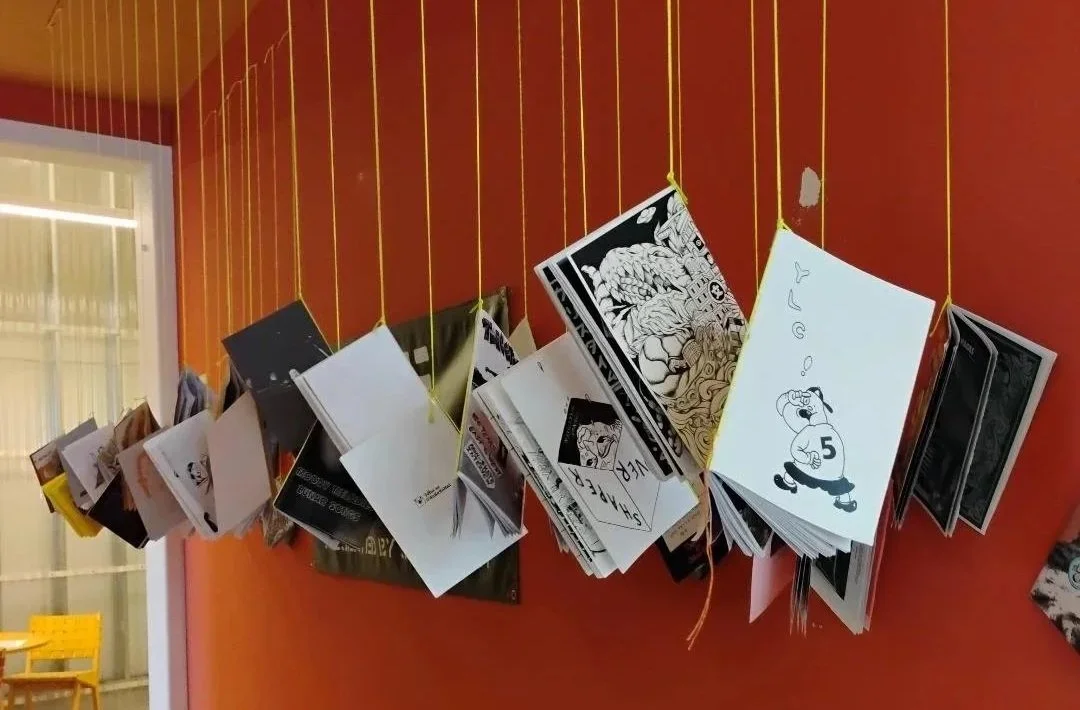
You know what a magazine is, but have you heard of a “zine?”
Pronounced like “z-ee-n,” a zine is like a mini magazine.
But there’s a remarkable difference between the two: magazines are often mass-produced and officially published. For the zine, fewer rules surround its creation and distribution. Part of what makes these media or print forms so unique is that they do not have to undertake an official, often tedious, and incredibly selective publishing process. Zines can challenge who has the authorial say in choosing what’s published.
Homemade, DIY, and self-published, often with repurposed materials, the zine can be what you name it to be.
Woo Studios in Barrio Logan on October 18 and 19 brought together over 200 zine exhibitors at the annual San Diego Zine Festival.
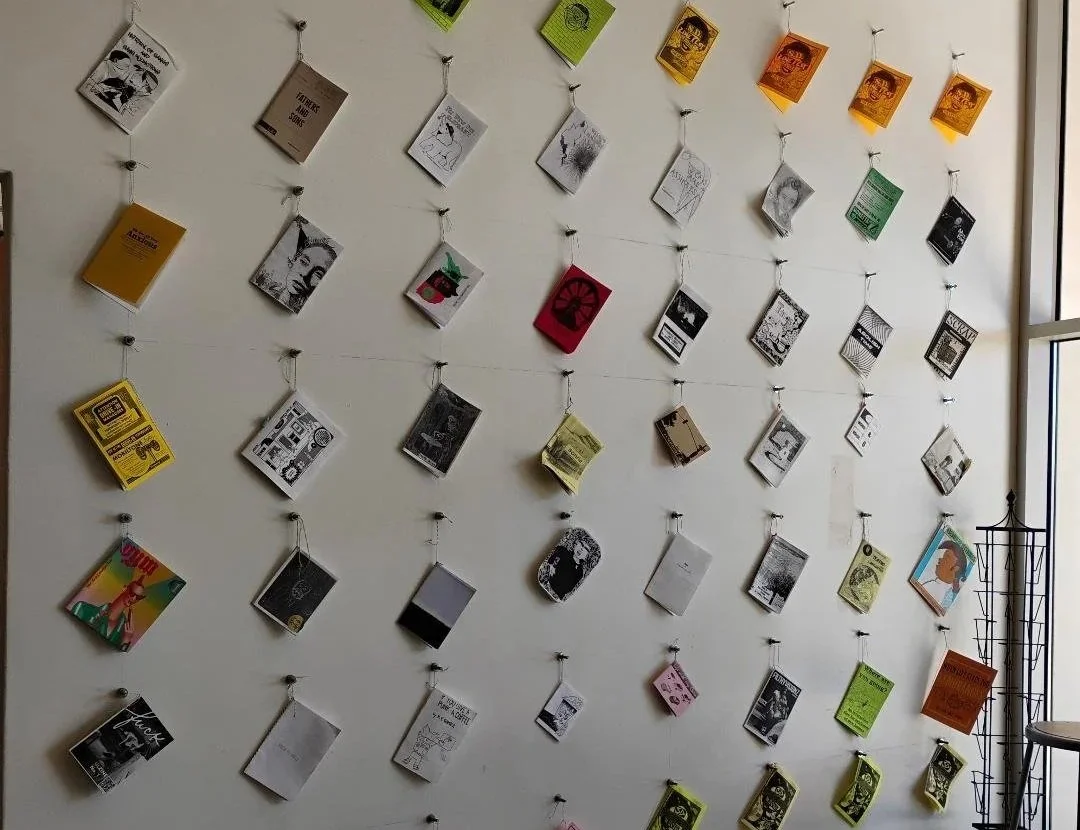
(Zine wall at the Zine fest)
I entered the studio that contained multiple wide rooms, a diverse crowd of all ages, ethnicities, and identities, and display after display of zines. Topics ranged from mental health to politics to personal, among countless others.
While perusing the exhibitions, someone asked me about what I was holding, which I explained was simply a notebook (and not nearly as interesting as a zine).
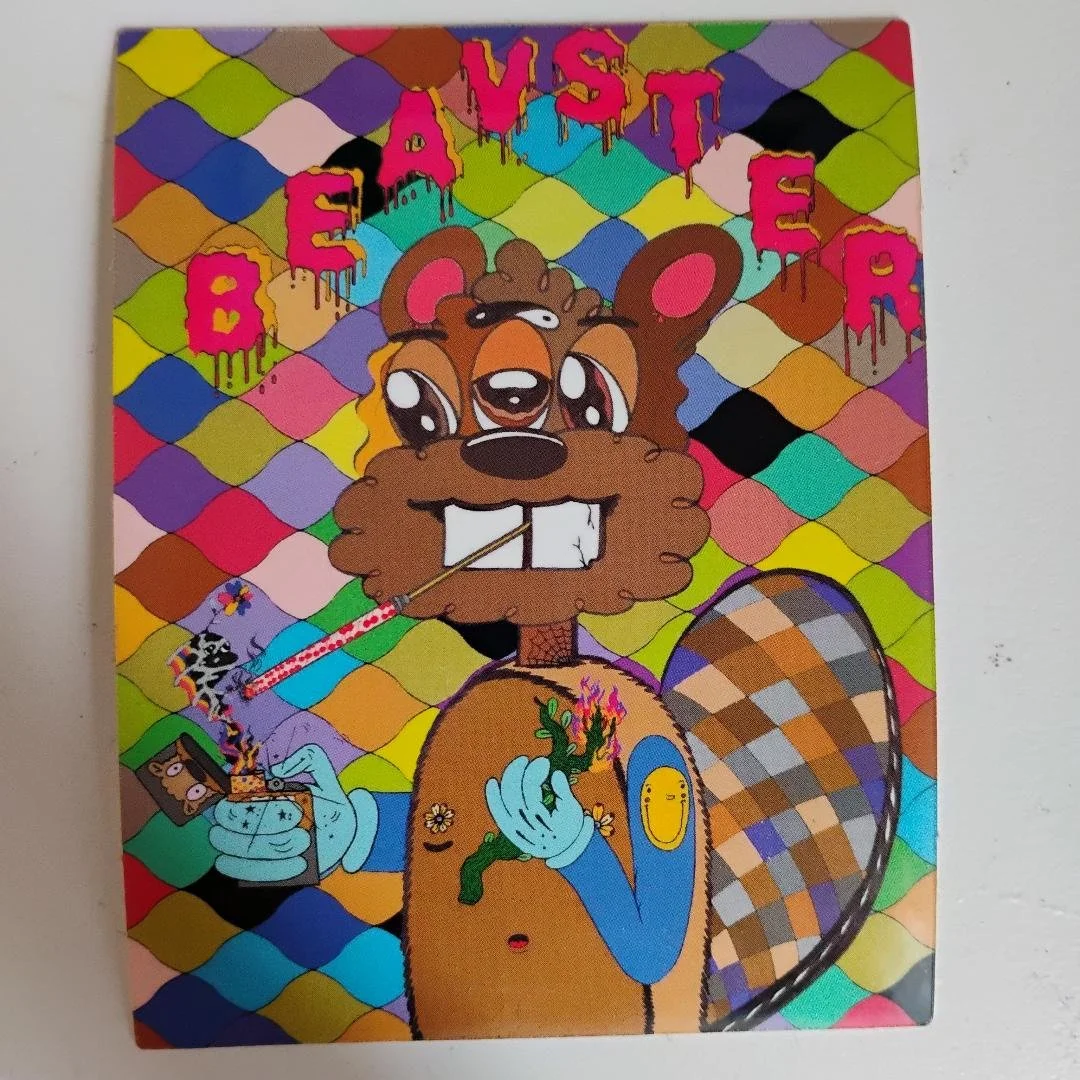
One of Beavster’s stickers
I took the chance and paused to ask the particular exhibitor a few questions about his creations. Eddy, who also goes by Beavster (at least for business purposes), creates zines that focus on current issues to “let people be more aware of what’s going on worldwide,” he said. “The latest zine that I made is based on 1940s propaganda art,” he explained.
Later, I perused Eddy’s website and found color-popping, character-driven graphic stickers. And many beavers, of course.
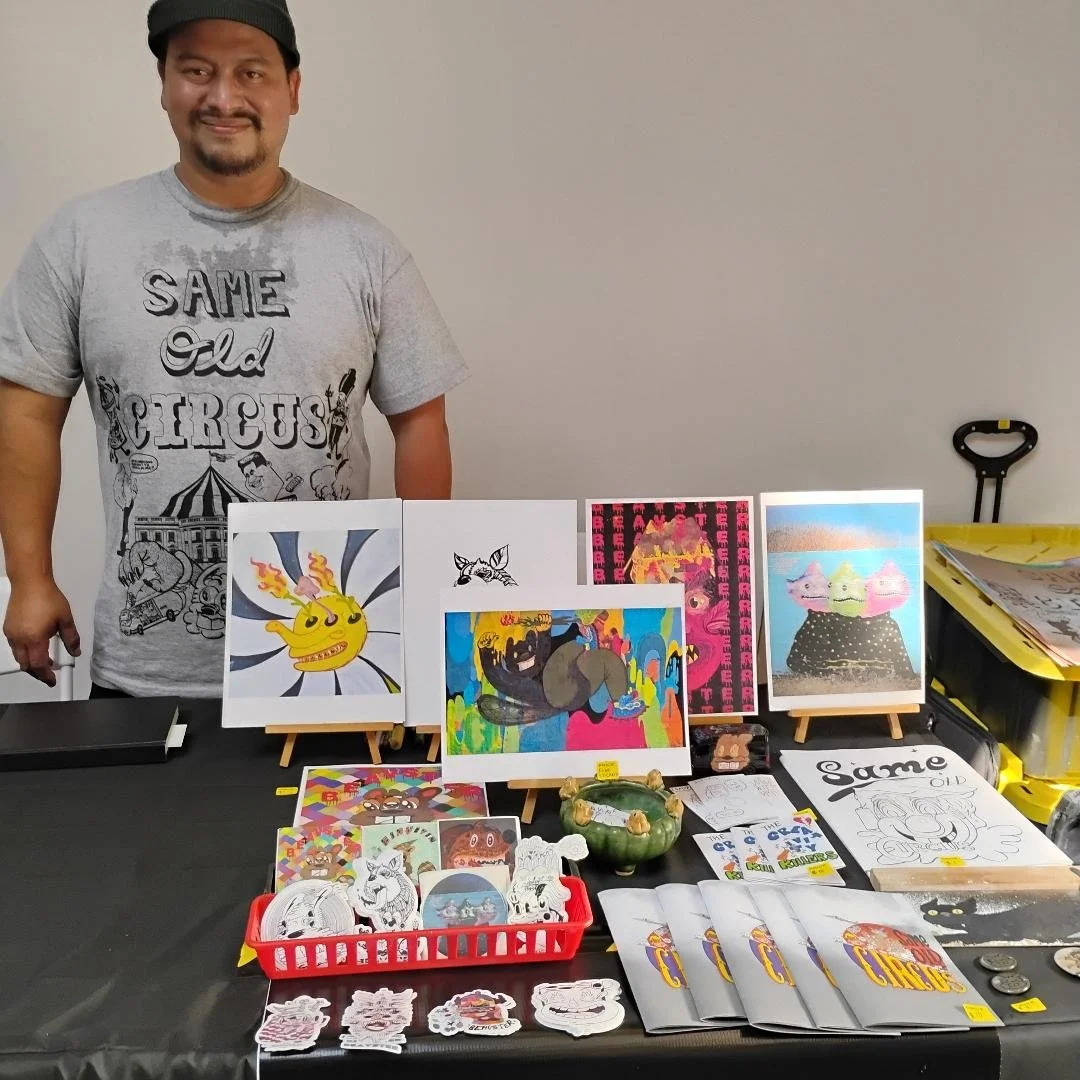
His zines are with “today’s issues with all the immigration and issues that are going on worldwide,” he said at the festival.
“Usually, the zines that I make on a regular basis — a lot of them are color-in zines,” he said. Perhaps it is the engaging act of coloring in a zine that encourages one to have greater active awareness about worldwide issues.
Eddy has been creating zines for seven years.
For zinester Adrian Herrera, who has been at it for nine years, her creations tend to take on a more philosophical and personal growth focus.
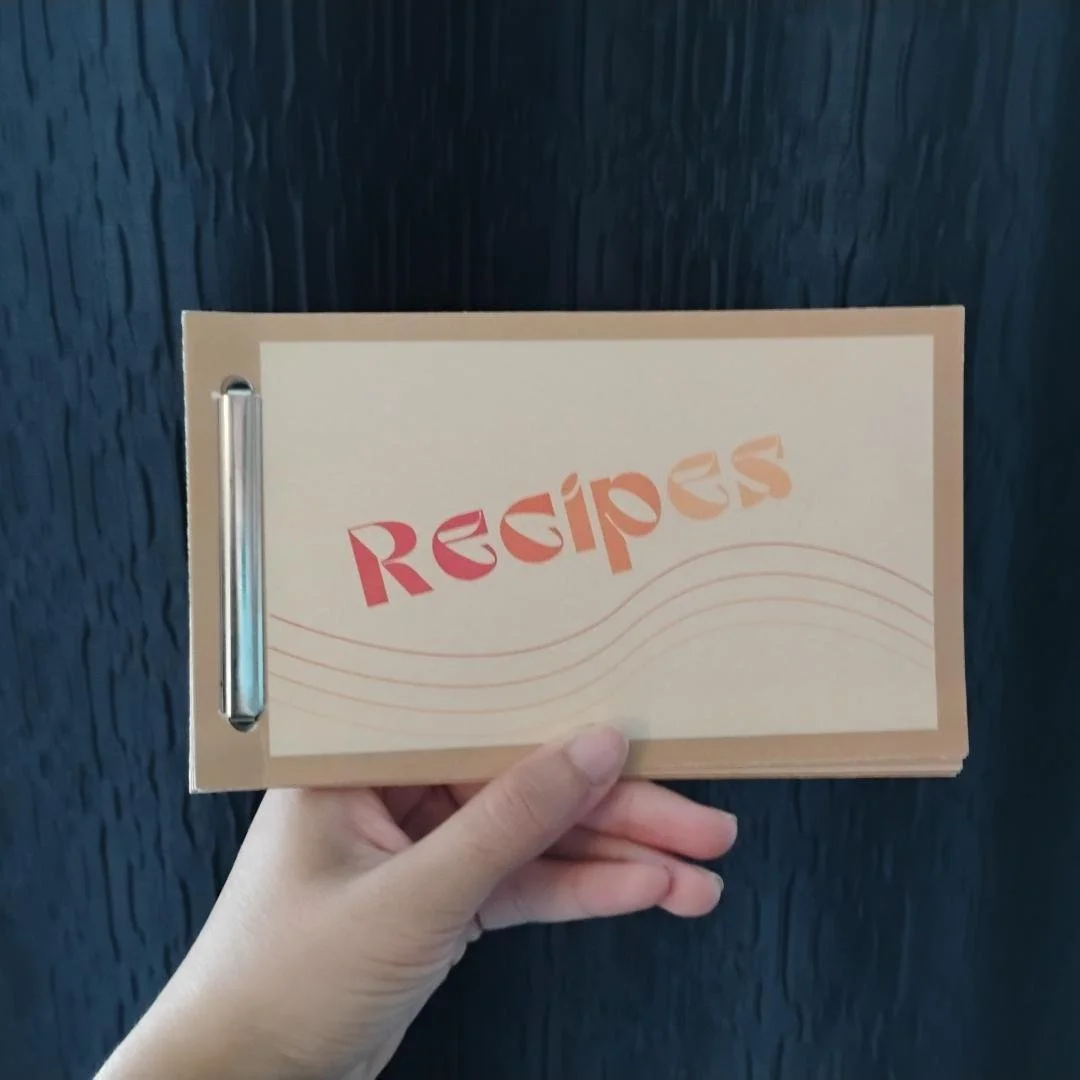
I ended up buying one of her zines, which Adrian’s Instagram post perfectly highlights in a description as “a short vampire story in the form of a housewife’s recipe journal.”
I have no words to describe this other than “very creative.” From cabbage rolls to jellied sandwiches, the zine/mini recipe book details (spoiler alert!) a vampire housewife’s liberation and the comfits she quite possibly enjoys.
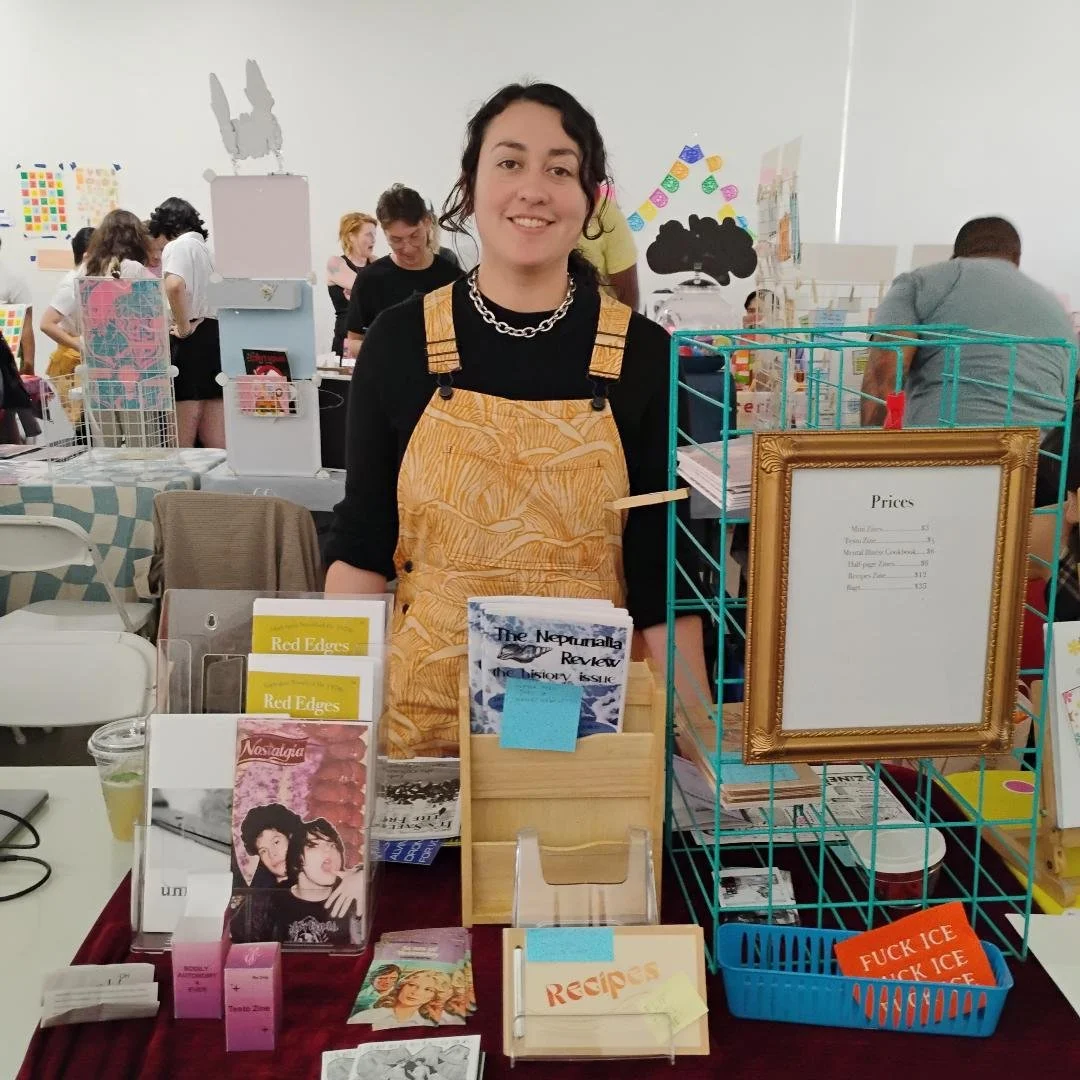
But back to Adrian. When I asked her what she hopes her zines will accomplish, one of the things that she envisions is that her zines will, in her own words, “make you realize yourself.”
Adrian also gave some advice to aspiring zine makers, per my request. “Just do it,” she said. “They’re supposed to be a really accessible form of art. So I think everybody should make it.”
Inspired, I decided to give it a try. I’ve started creating a zine with Canva, using my winter poems as content.
When I asked Eddy at the end of his interview if he had anything to add, he responded, “Just be open-minded to whatever art people make,” he said. “It takes a lot of effort for people to make something for people to enjoy. And I just love doing this.”